.gif)

Download Mobile App 






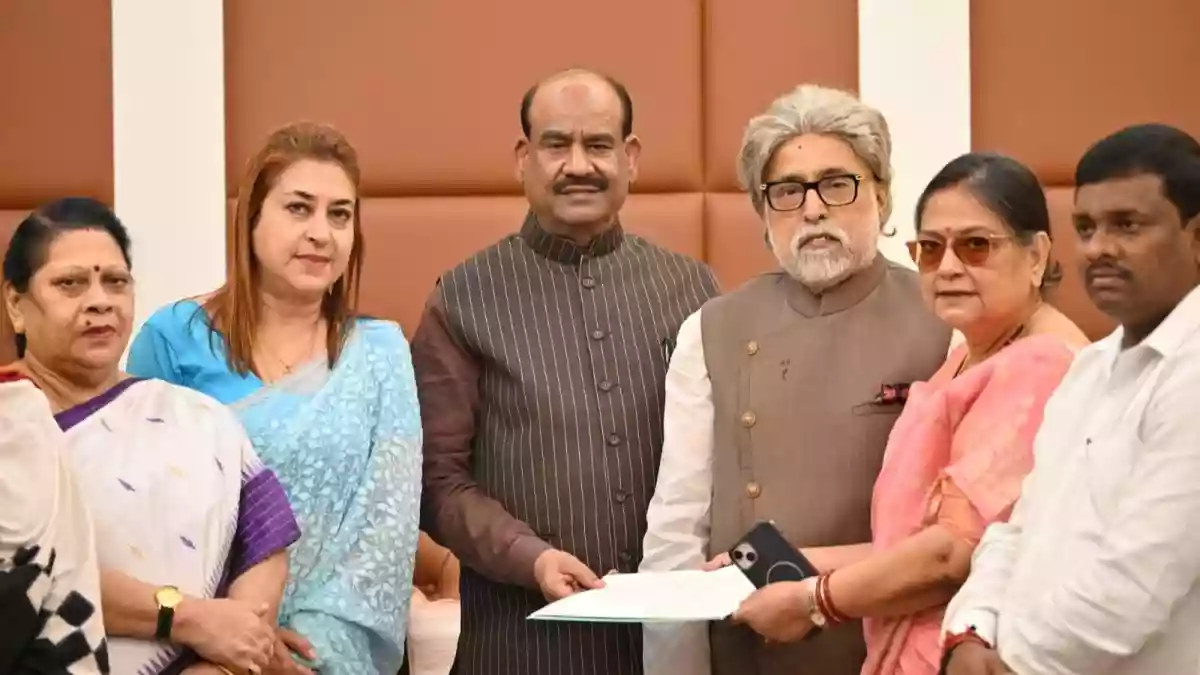
Lok Sabha Speaker Om Birla has initiated a formal consultative process to hear both the breakaway group of rebel Trinamool Congress (TMC) parliamentarians and the official faction loyal to Mamata Banerjee. The administrative move comes after twenty dissident TMC MPs met the Speaker to seek official parliamentary recognition as a separate group following their proposed merger with the little-known Nationalist Citizens Party of India (NCPI). To ensure procedural fairness, the Speaker’s office has dispatched an official email communication to the Mamata Banerjee-led faction—which has been significantly reduced in numbers inside the House—seeking its formal organizational submission on the matter.
Parliamentary sources indicate that Speaker Birla is preparing to seek comprehensive legal counsel and a written opinion from the Union Law Ministry to handle the high-stakes political crisis. The decision to involve top government law officers aims to ensure that any final ruling issued by the Speaker's chair can successfully withstand intense judicial scrutiny if challenged in the courts later. According to internal secretariat timelines, a definitive decision regarding the rebel group's recognition demands will be finalized before the commencement of the Monsoon Session of Parliament, which is conventionally scheduled to begin in the third week of July.
The dissident faction's strategy to bypass immediate disqualification by merging with the NCPI has triggered a intense debate among constitutional scholars and legislative experts. Former Secretary General of the Lok Sabha and constitutional expert PDT Achary cited paragraph 4 of the Tenth Schedule of the Constitution to emphasize that anti-defection exemptions apply only when an entire parent political party merges with another, not when isolated groups of MPs or MLAs act independently. While a legislative group must agree if the party hierarchy decides on a merger, Achary clarified that lawmakers alone do not possess the constitutional authority to independently execute a party merger from within the legislature.





 West Bengal
 Bihar
Bihar Uttar Pradesh
 Jharkhand